Understanding Solenoid Valves and Their Role in Fluid Control

Solenoid valves are compact control devices that use electrical energy to manage liquids and gases through a system. Combining an electromagnetic coil with a movable plunger and valve body, they provide quick operation with minimal manual effort. Understanding https://www.vincervalve.com/what-is-a-solenoid-valve/ helps explain how these components support accurate fluid control, automation, and smooth operation across many applications.

How a Solenoid Valve Works

The operating principle is based on electromagnetism. When current passes through the coil, it creates a magnetic field that moves the plunger. This opens or closes an internal passage, allowing fluid to flow or stopping it as required.

A typical sequence includes:

  • An electrical signal reaches the coil.
  • The coil generates a magnetic field.
  • The plunger moves against a spring or pressure force.
  • The valve passage changes position to start, stop, or direct flow.
  • When the signal is removed, the mechanism returns according to its design.

This straightforward process allows control systems to manage fluid movement with speed and repeatability.

Main Types and Configurations
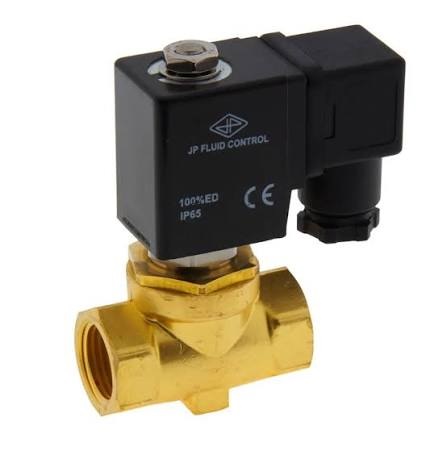
Solenoid Valves

Solenoid valves come in designs suited to different operating needs. Direct-acting models use magnetic force to move the sealing element, making them useful for smaller flow paths. Pilot-operated models use fluid pressure to assist movement and can serve applications requiring larger flow capacity.

Common configurations include:

  • Normally closed: stays shut without power and opens when energized.
  • Normally open: stays open without power and closes when energized.
  • Two-way valves: control flow through an inlet and an outlet.
  • Three-way valves: direct flow between different passages.
  • Special-purpose designs: suit particular media, temperatures, or pressures.

Choosing the right configuration supports balanced performance and reliable response.

Their Role in Fluid Control

These valves make automated fluid handling precise and convenient. Depending on their materials and specifications, they can control water, air, oil, steam, and other compatible media. Their fast switching supports processes that need regular start-and-stop control.

Key benefits include:

  • Accurate switching: supports consistent fluid movement.
  • Automation readiness: connects with sensors, timers, and control circuits.
  • Compact construction: fits many equipment layouts.
  • Reduced manual operation: enables remote or programmed activation.
  • Repeatable performance: helps maintain steady operating sequences.
  • Flexible application: offers options for varied working conditions.

Choosing and Maintaining the Right Valve

Selection begins with understanding the system. Consider fluid type, operating pressure, temperature range, required flow rate, voltage, connection size, and switching frequency. Body and seal materials should also suit the media being handled.

Helpful practices include:

  • Check rated voltage and electrical connections before installation.
  • Confirm pressure and temperature limits match operating conditions.
  • Use suitable filtration where particles may affect moving parts.
  • Inspect connections and seals during planned maintenance.
  • Keep the coil within recommended operating conditions.
  • Follow installation and servicing guidance.

A correctly selected solenoid valve brings efficient control, dependable switching, and better coordination to fluid systems. With attention to application requirements and routine care, it can support productive equipment operation over time. Exploring https://www.vincervalve.com/es/ offers an additional reference when considering valve options and the needs of fluid-control applications.

Understanding Maltitol and Its Role in Sugar-Free Food Products

Sugar-free food products have become an important part of modern food innovation, offering consumers alternative ways to enjoy familiar flavours and textures. Among the ingredients used in these formulations, maltitol plays a valuable role as a sugar substitute. It is a type of sugar alcohol that provides sweetness while supporting the taste, texture, and functionality of different food applications. Understanding its properties helps manufacturers develop enjoyable products that balance sweetness, quality, and formulation requirements.

What Is Maltitol and How Does It Work?

Maltitol is a polyol commonly produced from maltose derived from starch. It offers a sweet taste similar to sugar and can be incorporated into various food formulations.

Some notable characteristics include:

  • Sweetness profile: Provides a pleasant sweetness that closely resembles traditional sugar.
  • Lower calorie content: Contains fewer calories than conventional sugar.
  • Texture development: Contributes smoothness and desirable consistency to food products.
  • Moisture retention: Helps maintain softness in selected baked goods and confectionery.
  • Formulation flexibility: Works well in different sugar-free and reduced-sugar applications.
  • Taste compatibility: Offers a clean sweetness suitable for numerous flavour combinations.

Common Applications in Sugar-Free Food Products

Maltitol is valued for its versatility, making it useful across several food categories. Its functional characteristics allow manufacturers to create appealing alternatives without losing important product qualities.

Popular applications include:

  • Chocolates: Supports sweetness, smooth texture, and a satisfying eating experience.
  • Sugar-free candies: Provides sweetness and contributes to the desired consistency.
  • Baked products: Helps maintain moisture and softness in selected recipes.
  • Chewing gum: Supports flavour delivery and a pleasant texture.
  • Desserts: Adds sweetness while helping maintain the intended formulation.
  • Confectionery fillings: Contributes to smoothness and balanced sweetness.

Understanding Consumption and Digestive Considerations

Although maltitol offers useful formulation benefits, understanding appropriate consumption is important. Like other sugar alcohols, it is not completely absorbed in the small intestine. Larger quantities may cause digestive discomfort in some individuals.

Consumers can consider the following points:

  • Begin with moderate portions when trying products containing maltitol.
  • Pay attention to individual digestive tolerance.
  • Check ingredient labels to understand product composition.
  • Avoid consuming several large portions within a short period.
  • Consider overall dietary habits when selecting sugar-free foods.
  • Review additional information about https://www.saigaoingredients.com/blogs/maltitol-side-effects/ to understand possible digestive considerations.

Advantages for Food Manufacturers

Maltitol offers practical advantages that support product development and consistent manufacturing. Its functional properties make it a useful ingredient when replacing conventional sugar in suitable formulations.

Additional benefits include:

  • Helps maintain product volume and structure.
  • Supports appealing sweetness without traditional sugar.
  • Offers useful stability during various processing conditions.
  • Contributes to smooth mouthfeel in confectionery products.
  • Provides flexibility when developing reduced-sugar recipes.

Manufacturers should also consider formulation balance, serving sizes, and applicable food labelling requirements to ensure product quality and clear consumer information.

Conclusion

Maltitol has an important role in developing enjoyable sugar-free and reduced-sugar food products. Its sweetness, texture-enhancing properties, and versatility make it a valuable ingredient across several food categories. Understanding its applications and consumption considerations helps manufacturers create balanced formulations while supporting informed consumer choices. As food innovation continues, maltitol remains a useful option for improving the quality and variety of alternative sweetened products.

Essential Amenities That Make Condominium Living More Convenient

Comfortable condominium living depends on thoughtful amenities that simplify everyday routines and create a welcoming residential environment. From fitness facilities to secure parking, well-planned features help residents enjoy a balanced lifestyle with greater convenience. Developments such as one chuan grove highlight the appeal of modern condominium living, where accessibility, comfort, and practical facilities contribute to a rewarding homeownership experience. Choosing a residence with useful amenities can make daily activities easier while supporting relaxation, productivity, and social connections.

1. Fitness and Wellness Facilities

On-site wellness amenities help residents maintain healthy routines without traveling far from home. Convenient access encourages regular exercise and makes personal well-being easier to prioritize.

  • Fitness centers: Support convenient daily workouts.
  • Swimming pools: Provide refreshing recreational opportunities.
  • Yoga spaces: Encourage relaxation and flexibility.
  • Walking paths: Make light exercise enjoyable.
  • Outdoor relaxation areas: Offer peaceful spaces to unwind.

These facilities allow residents to incorporate wellness activities into their schedules while enjoying a comfortable residential setting.

2. Security and Access Management

Reliable security features create a reassuring environment for residents and their visitors. Well-designed access arrangements also make entering and leaving the property more convenient.

  • Controlled entry points for added protection.
  • Visitor registration for organized access.
  • Secure parking areas for vehicles.
  • Well-lit common spaces for visibility.
  • Professional maintenance of shared facilities.

Together, these features support peace of mind and contribute to a pleasant living experience.

3. Parking and Transportation Convenience

Parking facilities are especially valuable for residents who travel regularly for work, education, shopping, or leisure. Organized arrangements reduce unnecessary effort and improve daily mobility.

  • Dedicated parking spaces for residents.
  • Convenient pedestrian routes to building entrances.
  • Bicycle parking for active commuters.
  • Clearly marked vehicle circulation areas.
  • Accessible pathways for easier movement.

Practical transportation amenities help residents manage their schedules while making everyday journeys more comfortable.

4. Shared Spaces for Social Connections

Common areas create opportunities for residents to interact, celebrate occasions, and build friendly relationships. These spaces make condominium communities feel more welcoming.

  • Community halls: Suitable for gatherings and celebrations.
  • Children’s play areas: Encourage active recreation.
  • Garden seating: Provides comfortable outdoor relaxation.
  • Multipurpose rooms: Accommodate different activities.
  • Lounge areas: Offer inviting places to socialize.

Well-maintained shared spaces bring people together while allowing residents to enjoy privacy within their individual homes.

5. Practical Services for Everyday Living

Convenient services help residents save time and manage household responsibilities more efficiently. Small improvements in daily accessibility can make a meaningful difference to overall comfort.

  • Parcel collection areas for organized deliveries.
  • Waste disposal facilities for cleaner surroundings.
  • Elevators for convenient movement between floors.
  • Reliable lighting throughout common areas.
  • Accessible maintenance support for shared amenities.
  • Clearly displayed notices for community updates.

These practical features create a smoother residential experience and help keep everyday routines organized.

6. Green Spaces and Comfortable Surroundings

Landscaped gardens and thoughtfully designed outdoor areas add natural beauty to condominium living. Green surroundings offer residents pleasant places to relax, spend time with family, and enjoy fresh air.

Energy-efficient lighting, shaded seating, attractive planting, and well-maintained pathways can further improve comfort. When evaluating one chuan grove condo, considering the availability and quality of these amenities helps residents appreciate how convenience, recreation, and thoughtful design can contribute to a more enjoyable home environment.

Spd Type Comparisons Help Identify Suitable Surge Protection Solutions

Electrical systems depend on reliable protection to maintain consistent performance and safeguard valuable equipment. Surge Protective Devices (SPDs) provide an important layer of defense against unexpected voltage increases caused by lightning activity and electrical switching operations. Understanding the differences between available SPD types helps electrical professionals identify suitable protection solutions for different installation requirements. Careful comparisons also encourage better planning, improved equipment protection, and dependable electrical system performance.

Understanding the Main SPD Categories

Different SPD categories are designed to manage specific surge conditions and installation requirements. Type 1, Type 2, and Type 3 devices provide complementary protection, allowing electrical systems to benefit from multiple coordinated protection layers.

Their primary characteristics include:

  • Type 1 SPDs manage high-energy surge currents associated with direct lightning effects.
  • Type 2 SPDs protect electrical distribution systems against induced surges and switching transients.
  • Type 3 SPDs provide additional protection for sensitive electronic equipment.
  • Combined devices integrate multiple protection functions within a single unit.
  • Each category supports a different position within an electrical installation.

Type 1 SPD Supports High-Energy Protection

Type 1 devices are designed for installation at the incoming electrical supply, where they help manage substantial lightning-related surge currents. Their strong discharge capabilities make them valuable for installations requiring enhanced protection against high-energy electrical disturbances.

Important characteristics include:

  • Designed to handle partial direct lightning currents.
  • Suitable for installation at the main distribution point.
  • Tested using a 10/350 microsecond current waveform.
  • Supports effective protection at electrical service entrances.
  • Provides an important foundation for coordinated surge protection.

Type 2 SPD Enhances Distribution Protection

Type 2 devices provide essential protection throughout electrical distribution systems. Commonly installed in distribution boards, they help control residual lightning-induced surges and switching-related voltage disturbances, supporting reliable everyday electrical operations.

Notable advantages include:

  • Effective management of common electrical surge conditions.
  • Suitable for main and sub-distribution boards.
  • Tested using an 8/20 microsecond current waveform.
  • Supports protection for connected electrical equipment.
  • Offers valuable coverage for residential and commercial installations.

Type 3 SPD Protects Sensitive Equipment

Type 3 devices deliver additional protection closer to individual electrical appliances and sensitive electronic equipment. Their precise protective characteristics make them particularly useful for applications where maintaining dependable equipment operation is important.

Their beneficial features include:

  • Provides point-of-use surge protection.
  • Supports sensitive electronic equipment protection.
  • Helps manage residual voltage disturbances.
  • Complements upstream Type 1 and Type 2 devices.
  • Suitable for electronic control systems and communication equipment.

Comparing SPD Types for Better Selection

Evaluating different protection categories helps identify solutions that match electrical system requirements. Helpful comparison information, including https://lsp.global/spd-type-1-vs-type-2-vs-type-3/, supports a clearer understanding of their individual functions and applications.

Important selection considerations include:

  • Expected surge exposure and installation characteristics.
  • Required discharge capacity and voltage protection level.
  • Equipment sensitivity and operational importance.
  • Compatibility with existing electrical protection arrangements.
  • Applicable installation standards and technical requirements.

Coordinated Protection Encourages Electrical Reliability

Combining suitable SPD categories creates a coordinated protection arrangement in which each device manages a different level of surge energy. Type 1, Type 2, and Type 3 solutions work together to strengthen overall electrical protection while supporting dependable equipment operation.

Careful SPD comparisons ultimately encourage informed selection, effective installation planning, and improved electrical safety. Choosing suitable protection devices helps preserve valuable equipment, support operational continuity, and maintain reliable electrical system performance.

Timely Deliveries Supported by a Reliable Freight Transport Service

Efficient freight transportation plays an essential role in keeping businesses connected with customers and maintaining smooth supply chain operations. Timely deliveries help create trust, improve customer satisfaction, and support consistent business growth. A dependable transportation system ensures that products move safely through every stage of the delivery process while maintaining excellent service standards. With proper planning, skilled handling, and organized transportation procedures, businesses can achieve greater efficiency and dependable delivery schedules.

Importance of Reliable Freight Transportation

A well-managed freight service helps businesses maintain steady product movement and meet important delivery commitments. Professional transportation solutions focus on coordinating shipments, managing schedules, and ensuring goods reach their intended destinations efficiently.

Key advantages include:

  • Consistent Delivery Schedules: Organized transportation planning helps shipments arrive within expected timeframes.
  • Improved Customer Satisfaction: Reliable deliveries create positive experiences and encourage lasting customer relationships.
  • Better Supply Chain Coordination: Smooth communication supports effective cooperation between suppliers, distributors, and customers.
  • Safe Goods Handling: Proper loading and transportation practices help protect products throughout their journey.
  • Greater Business Productivity: Dependable deliveries allow businesses to concentrate on important operational activities.

Features That Support On-Time Deliveries

Successful freight operations depend on several important elements working together. From shipment preparation to final delivery, every stage contributes to a smooth transportation experience.

Essential features include:

  • Advanced Route Planning: Selecting efficient routes helps maintain delivery schedules and improve transportation productivity.
  • Experienced Drivers: Skilled professionals understand safe driving practices and responsible cargo transportation.
  • Regular Vehicle Maintenance: Well-maintained vehicles support dependable journeys and consistent operational performance.
  • Shipment Coordination: Organized scheduling ensures that goods are prepared, loaded, and dispatched efficiently.
  • Clear Communication: Regular updates help businesses stay informed about shipment progress and expected arrival times.

Choosing the Right Transportation Partner

Selecting a dependable freight provider can make a meaningful difference in daily business operations. Companies benefit from working with professionals who understand shipment requirements and prioritize service quality. A reliable servicio transporte de mercancias supports organized cargo movement through efficient planning, careful handling, and professional transportation management.

When evaluating transportation solutions, businesses should consider:

  • Flexible delivery arrangements for different shipment requirements.
  • Suitable vehicles for various cargo sizes and transportation needs.
  • Transparent communication throughout the delivery process.
  • Professional handling procedures that prioritize shipment safety.
  • Efficient coordination to support changing business demands.

Building Stronger Logistics Performance

Reliable freight transportation contributes to long-term operational success by creating predictable delivery processes. Businesses can strengthen their logistics performance through consistent planning, effective coordination, and continuous service improvements.

Helpful practices include:

  • Reviewing delivery schedules regularly.
  • Maintaining accurate shipment documentation.
  • Preparing cargo before scheduled collection times.
  • Coordinating effectively with transportation professionals.
  • Monitoring delivery performance to identify improvement opportunities.

Conclusion

Timely freight deliveries create valuable opportunities for businesses to improve productivity, strengthen customer relationships, and maintain dependable supply chains. With professional transportation support, careful shipment management, and efficient scheduling, companies can achieve smoother operations and consistent delivery performance. Investing in reliable freight solutions establishes a strong foundation for sustainable growth and successful logistics management.

Pneumatic Valve Technology Enhances Efficiency Across Modern Industrial Automation Systems

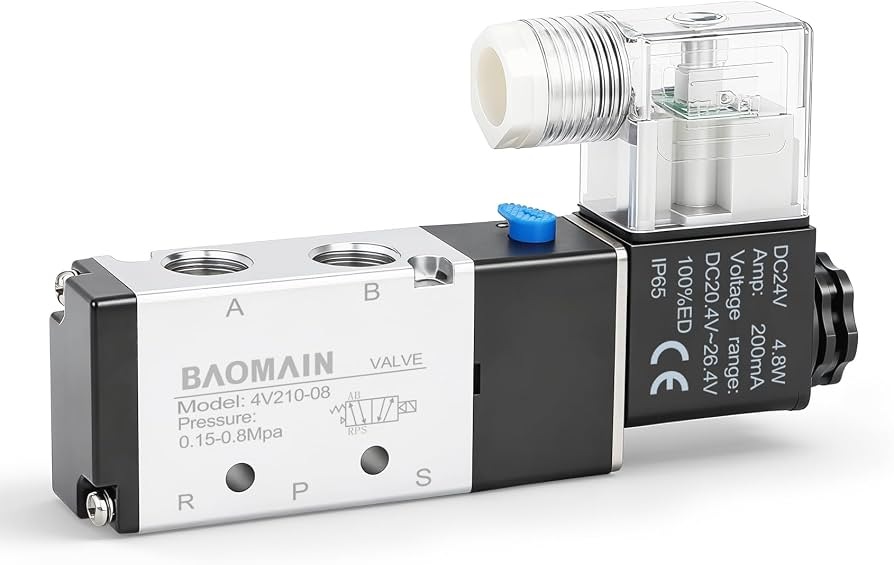
Industrial automation in https://www.vincervalve.com/pneumatic-valve-working-principle/ continues to benefit from technologies that improve operational speed, precision, and productivity. Pneumatic valve technology plays an important role by controlling compressed air flow and directing it toward different components within automated equipment. These valves support coordinated machine operations, reliable movement, and efficient process control. Their versatility makes them valuable in manufacturing environments where consistent performance and smooth operation are essential. Understanding their functions helps industries recognize how pneumatic systems contribute to modern automation requirements.

Understanding Pneumatic Valve Technology

Pneumatic valves regulate the movement, direction, and pressure of compressed air throughout an automation system. Their operation allows different machine components to perform specific tasks through controlled air distribution.

These components help maintain organized workflows while supporting accurate movement and dependable equipment performance.

  • Directional control valves guide compressed air toward selected actuators.
  • Pressure control valves maintain suitable operating pressure.
  • Flow control valves regulate airflow speed.
  • Solenoid valves support electrically controlled operation.
  • Manual valves provide convenient control for selected applications.

Improving Efficiency Across Automated Operations

Pneumatic Valve Technology

Efficient air distribution helps automated machinery complete operations with better coordination. Pneumatic valves allow equipment to perform repeated movements while maintaining consistent control over individual processes.

Their responsive operation supports productive workflows and helps industries improve the overall utilization of automated equipment.

  • Supports faster machine response during production activities.
  • Enables coordinated movement between connected components.
  • Helps maintain consistent operating conditions.
  • Simplifies control across multiple pneumatic functions.
  • Encourages smoother transitions between automated processes.

Supporting Precision And Reliable Performance

Accurate airflow management contributes to controlled movement and predictable machine operation. Pneumatic valves help regulate the air supplied to actuators, allowing equipment to perform tasks according to specific operational requirements.

Canning Line Manufacturers Deliver Efficient Solutions For Modern Production

Efficient packaging plays an important role in maintaining smooth and productive manufacturing operations. Modern canning systems combine precision, automation, flexibility, and dependable performance to support consistent packaging results. Advanced solutions such as https://www.levapack.com/ru/ can help businesses explore efficient equipment designed around evolving production requirements.

Advanced Systems Improve Production Flow

Modern canning equipment brings multiple packaging functions together within a coordinated production environment. This organized approach helps maintain continuous movement while supporting reliable performance throughout different stages of packaging.

  • Smooth material movement supports steady operations
  • Automated functions reduce repetitive manual activities
  • Coordinated equipment improves overall workflow
  • Consistent operation supports dependable production output
  • Integrated systems encourage better process organization

Precision Filling Supports Consistent Results

Accurate filling is essential for maintaining uniform package quantities and attractive finished products. Well-designed filling equipment provides controlled product distribution, helping businesses achieve dependable results while supporting efficient production speeds.

  • Accurate filling improves package consistency
  • Controlled dispensing supports uniform quantities
  • Reliable systems help reduce product waste
  • Flexible filling functions accommodate varied requirements
  • Consistent performance strengthens packaging quality

Reliable Sealing Enhances Product Protection

Strong and consistent sealing helps maintain package integrity while creating a secure finish. Efficient sealing equipment can provide dependable closure performance and contribute to attractive, well-presented packages ready for further handling.

  • Consistent sealing supports secure packaging
  • Reliable closure improves product protection
  • Automated sealing encourages uniform results
  • Controlled operations support production efficiency
  • Quality sealing enhances finished package presentation

Flexible Equipment Supports Diverse Requirements

Production needs can change with product characteristics, container sizes, packaging volumes, and business growth. Flexible canning solutions allow manufacturers to select equipment configurations that align with current requirements while providing opportunities for future expansion.

  • Adjustable systems support different production capacities
  • Flexible configurations accommodate varied container formats
  • Modular equipment encourages convenient expansion
  • Adaptable designs support changing production needs
  • Efficient layouts improve available workspace utilization

Automation Strengthens Operational Efficiency

Automation creates a more connected packaging environment where different functions can work together smoothly. Reduced manual handling allows production teams to focus on important operational activities while equipment maintains consistent movement and performance.

  • Automated handling supports continuous workflow
  • Connected functions improve production coordination
  • Reduced manual tasks encourage greater productivity
  • Consistent movement minimizes unnecessary interruptions
  • Automated processes support dependable output

Quality Engineering Creates Long-Term Benefits

Reliable construction and carefully designed components contribute to lasting equipment performance. Efficient canning systems can provide valuable support for businesses seeking dependable packaging operations, consistent quality, and improved productivity over time.

  • Durable equipment supports regular production demands
  • Precision components encourage stable performance
  • Hygienic designs support clean operations
  • Reliable machinery contributes to consistent results
  • Efficient systems provide lasting operational value

Conclusion

Canning line manufacturers deliver solutions that help modern production environments achieve smoother workflows and dependable packaging performance. Precision filling, reliable sealing, flexible configurations, automation, and quality-focused engineering work together to create efficient operations. With these capabilities, businesses can strengthen productivity, maintain consistent packaging quality, and confidently support future production growth.

Advanced Solutions From Industrial Automation Companies Improve Production Efficiency

Modern production environments benefit from technologies that improve consistency, speed, and operational control. Advanced automation solutions can help businesses organize manufacturing activities more effectively while supporting reliable equipment performance. These improvements create opportunities to strengthen productivity, maintain quality, and build smoother production workflows.

Improving Production Efficiency

Efficient production depends on coordinated equipment and well-managed processes. Automation technologies can support repetitive activities with consistent performance, helping production teams maintain steady workflows and make better use of available resources.

Improved efficiency can also contribute to stronger output and smoother daily operations. When automated systems work together effectively, businesses can maintain productive environments with greater confidence.

  • Supports consistent production activities.
  • Improves workflow coordination.
  • Helps reduce unnecessary manual effort.
  • Encourages better resource utilization.
  • Strengthens overall operational productivity.

Supporting Accurate Manufacturing Processes

Precision is important for maintaining dependable product quality. Advanced automation systems can provide controlled movement, accurate positioning, and consistent process performance across different manufacturing requirements. Reliable process control helps businesses maintain uniform results while supporting efficient production schedules. Consistency also contributes to better product presentation and stronger operational standards.

Enhancing Equipment Performance

Modern equipment can benefit from automation technologies designed to improve responsiveness and operational coordination. Well-integrated systems help machinery perform specific functions efficiently while supporting smoother production cycles.

Solutions available through https://www.omch.com/ru/ can support businesses seeking practical automation technologies that contribute to efficient manufacturing and dependable equipment operation.

  • Supports reliable machine performance.
  • Improves operational consistency.
  • Helps coordinate different equipment functions.
  • Encourages efficient production cycles.
  • Provides flexibility for diverse applications.

Strengthening Quality Management

Consistent production processes can make quality management more effective. Automation helps maintain repeatable operations, allowing businesses to support stable product standards while managing larger production requirements. Reliable process control can also help teams focus on important operational priorities. This creates a balanced environment where productivity and quality work together effectively.

Supporting Flexible Production

Production requirements can change as businesses introduce new products or adjust manufacturing volumes. Flexible automation solutions allow equipment and processes to adapt to different operational needs while maintaining consistent performance.

This adaptability supports businesses that value scalable production. Automated systems can provide useful flexibility while helping teams maintain organized workflows across changing requirements.

  • Supports varied production requirements.
  • Helps accommodate changing workloads.
  • Encourages scalable manufacturing operations.
  • Provides adaptable equipment functionality.
  • Maintains consistent process performance.

Optimizing Resource Utilization

Efficient use of equipment, materials, and workforce resources contributes to stronger production performance. Automation can help coordinate activities and minimize unnecessary delays, allowing available resources to support productive operations. Better resource management can also improve workflow balance. When production activities are organized effectively, businesses can achieve greater efficiency while maintaining reliable output.

Building Productive Manufacturing Environments

Industrial automation companies provide advanced solutions that help businesses improve production efficiency through reliable technologies and coordinated systems. Their solutions can support precision, flexibility, quality, and effective resource utilization across modern manufacturing environments. With thoughtful automation, production operations can become more consistent and responsive. These capabilities help businesses strengthen productivity, support quality objectives, and create efficient manufacturing workflows prepared for continued growth.

Cannabinoid Blends Shape Different Indica Gummy Experiences At Night

Evening routines can feel more intentional when people understand how different cannabinoid combinations may shape the character of an indica gummy. Rather than focusing only on a single cannabinoid, blended formulations can bring together several compounds in considered amounts. This creates room for varied experiences, from gentle relaxation to a more pronounced sense of calm. Learning how these blends work can help readers compare formulations thoughtfully and choose options that fit their personal nighttime preferences.

Understanding Cannabinoid Blends

A cannabinoid blend may include a primary cannabinoid alongside other cannabinoids selected to complement its overall profile. Each formulation can feel different because the balance, concentration, and combination of compounds influence the experience.

  • Blends can create distinct effects and sensations.
  • Different ratios may suit different evening preferences.
  • Carefully measured servings make comparisons easier.
  • Ingredient transparency can support informed choices.

Why Indica Formulations Feel Different

Indica Gummies

Indica gummies are commonly associated with relaxing nighttime routines. However, the experience is not determined by the indica label alone. The cannabinoid profile, serving size, additional ingredients, and individual response can all contribute to how a gummy feels. A balanced formulation may offer a smoother transition into a quiet evening, while another blend may feel more pronounced. This variety allows consumers to consider what kind of nighttime atmosphere they want to create.

Common Blend Characteristics

Different combinations can provide useful points of comparison when reviewing gummy formulations.

  • Single cannabinoid focus: A straightforward profile may appeal to people who prefer simplicity.
  • Balanced combinations: Multiple cannabinoids can create a broader experience.
  • Supporting cannabinoids: Smaller amounts may complement the primary cannabinoid.
  • Botanical additions: Some formulas include ingredients selected for flavor or sensory appeal.

Choosing A Nighttime Profile

Personal preference plays an important role when considering cannabinoid blends. Reading ingredient labels, checking serving information, and starting with an appropriate amount can make the experience more predictable.

It can also help to consider:

  • Desired level of evening relaxation
  • Preferred flavor and texture
  • Cannabinoid quantities per serving
  • Full ingredient information
  • Consistency between servings

Creating A Calm Evening Routine

A gummy can become one part of a broader nighttime routine. Pairing it with relaxing activities such as reading, listening to quiet music, stretching, or enjoying a comfortable environment can make the evening feel more deliberate. For people researching options through resources such as OutSFL, understanding formulation differences can make product comparisons clearer and meaningful.

Thoughtful Use Supports Better Choices

Cannabinoid blends offer flexibility because they provide multiple ways to shape an evening experience. Paying attention to potency, ingredients, serving guidance, and personal tolerance can support responsible decision-making. Effects may vary from person to person, so patience and moderation remain valuable when trying a new formulation. With greater awareness of cannabinoid ratios and ingredient profiles, nighttime gummy choices can become easier to understand. Each blend offers its own character, giving consumers an opportunity to explore options that align with their preferred pace, flavor, and relaxation style while keeping informed choices at the center of the routine.

Molecular Sieve Delivers Reliable Moisture Removal for Industries

Maintaining dry and controlled environments is essential for many industrial processes. Excess moisture can affect product quality, reduce operational efficiency, and create unnecessary challenges during production and storage. A molecular sieve is widely valued for its ability to remove water vapor effectively, helping industries achieve dependable performance and consistent results. Its highly porous structure allows it to attract and retain moisture, making it an excellent solution for applications that require precision drying.

Why Moisture Control Matters

Proper moisture management offers several important advantages across industrial operations:

  • Helps maintain product quality and consistency
  • Supports efficient manufacturing processes
  • Reduces the risk of contamination
  • Protects sensitive materials from moisture damage
  • Enhances storage stability
  • Contributes to longer equipment life
  • Improves overall operational reliability

By minimizing unwanted moisture, industries can maintain higher standards while improving productivity.

Advanced Moisture Adsorption Performance

One of the greatest strengths of a molecular sieve is its remarkable adsorption capability. Its carefully designed pore structure selectively captures water molecules, even when moisture levels are very low. This makes it suitable for demanding environments where precise drying is necessary.

Key performance benefits include:

  • High moisture absorption capacity
  • Consistent drying efficiency
  • Reliable operation under varying conditions
  • Fast adsorption performance
  • Long-lasting effectiveness
  • Stable results across multiple applications

These qualities make it a trusted choice for industrial drying requirements.

Applications across Multiple Industries

Moisture removal is essential in numerous sectors that depend on controlled conditions. A molecular sieve supports a wide variety of operations by helping maintain dryness and product integrity.

Common applications include:

  • Gas drying processes
  • Air purification systems
  • Chemical production
  • Packaging operations
  • Storage protection
  • Manufacturing environments
  • Material preservation systems

Its versatility allows it to adapt to different operational needs while delivering dependable moisture control.

Supporting Efficiency and Quality

Reliable drying solutions contribute significantly to process efficiency. When moisture is effectively removed, production systems often perform more smoothly and consistently. Many professionals seek to understand drying technologies, and discussions about what is a molecular sieve often highlight its ability to improve quality standards while supporting efficient workflows.

Additional advantages include:

  • Reduced process interruptions
  • Enhanced product stability
  • Better environmental control
  • Consistent operational performance
  • Improved handling of moisture-sensitive materials
  • Greater confidence in production outcomes

These benefits help organizations maintain high levels of performance and reliability.

A Dependable Choice for Industrial Drying

Industrial operations frequently require precise moisture management to ensure successful outcomes. Molecular sieves provide an effective and dependable solution by delivering strong adsorption performance, long-term stability, and versatile application potential. Their ability to remove moisture efficiently helps support product quality, operational consistency, and overall process excellence. As industries continue to prioritize efficiency and reliability, molecular sieves remain a valuable component in moisture control strategies. Their proven drying capabilities make them an excellent choice for organizations seeking dependable performance, enhanced quality, and long-lasting results in a wide range of industrial applications.