Effective Ways to Stop an Arterial Bleed during Emergencies
An arterial bleed is one of the most serious injuries that can happen during an emergency. Blood from an artery often flows rapidly and may appear bright red with a pulsing motion. Quick action can help control blood loss and improve the chances of recovery before professional medical support arrives. What is the most effective way to stop an arterial bleed when there is no object still in the wound? Staying calm and using the right techniques can make a major difference in a critical situation.
Recognize the Signs of an Arterial Bleed
Identifying severe bleeding early allows faster response and better control.
Common warning signs include:
- Rapid blood flow from a wound
- Bright red blood
- Pulsing or spurting bleeding
- Weakness or dizziness
- Pale or clammy skin
- Loss of strength or confusion
Immediate attention is important because heavy blood loss can happen within minutes.
Apply Direct Pressure Immediately
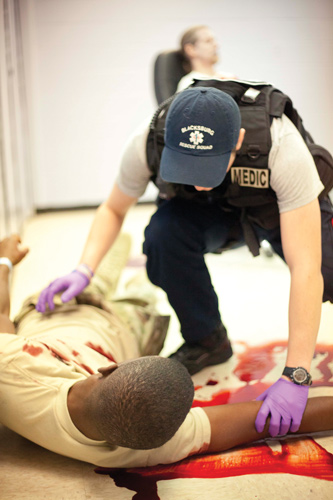
Direct pressure is often the first and most effective step for slowing severe bleeding.
How to apply pressure properly:
- Use a clean cloth, gauze, or fabric
- Press firmly over the wound
- Maintain constant pressure without lifting repeatedly
- Use both hands if necessary for stronger compression
- Encourage the injured person to remain still
Strong and steady pressure helps reduce blood flow and supports clot formation.
Elevate the Injured Area When Possible
Raising the injured limb above heart level may help reduce bleeding in some situations.
Helpful tips:
- Keep the movement gentle
- Avoid elevation if fractures are suspected
- Continue applying direct pressure during elevation
- Support the limb carefully to avoid additional injury
This method works best when combined with continuous wound compression.
Use a Tourniquet Correctly
A tourniquet can be lifesaving during severe arterial bleeding that cannot be controlled with pressure alone.
Important tourniquet guidelines:
- Place it above the wound, not directly over a joint
- Tighten until the bleeding stops
- Secure it firmly to prevent loosening
- Record the application time if possible
- Do not remove it once applied unless trained professionals advise it
Tourniquets are especially useful during major limb injuries where blood loss is severe.
Pack Deep Wounds Carefully
Wound packing helps control bleeding in deep injuries where direct pressure alone may not be enough.
Steps for wound packing:
- Use clean gauze or cloth material
- Push the material gently but firmly into the wound
- Continue filling until the space is packed
- Apply pressure over the packed wound afterward
This technique can slow bleeding significantly while waiting for emergency care.
Keep the Injured Person Stable
Supporting the injured person is just as important as controlling the wound.
Helpful actions include:
- Keep them warm with a blanket or jacket
- Encourage slow breathing
- Monitor alertness and responsiveness
- Avoid giving food or drinks
- Call emergency services immediately
Comfort and reassurance can help reduce panic and support better overall stability.
Prepare Before Emergencies Happen
Learning basic bleeding control skills can improve confidence during unexpected situations.
Smart preparation ideas:
- Keep first aid supplies accessible
- Learn emergency response techniques
- Practice applying pressure and bandaging
- Understand when to use a tourniquet
- Stay calm and focused under pressure
Quick thinking, proper techniques, and steady action can greatly improve safety during a serious arterial bleeding emergency.
