Solenoid valves are compact control devices that use electrical energy to manage liquids and gases through a system. Combining an electromagnetic coil with a movable plunger and valve body, they provide quick operation with minimal manual effort. Understanding https://www.vincervalve.com/what-is-a-solenoid-valve/ helps explain how these components support accurate fluid control, automation, and smooth operation across many applications.
How a Solenoid Valve Works
The operating principle is based on electromagnetism. When current passes through the coil, it creates a magnetic field that moves the plunger. This opens or closes an internal passage, allowing fluid to flow or stopping it as required.
A typical sequence includes:
- An electrical signal reaches the coil.
- The coil generates a magnetic field.
- The plunger moves against a spring or pressure force.
- The valve passage changes position to start, stop, or direct flow.
- When the signal is removed, the mechanism returns according to its design.
This straightforward process allows control systems to manage fluid movement with speed and repeatability.
Main Types and Configurations
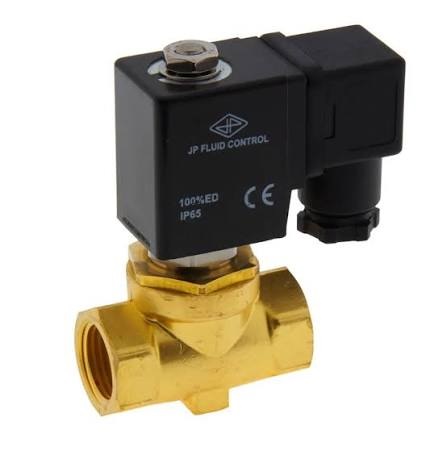
Solenoid valves come in designs suited to different operating needs. Direct-acting models use magnetic force to move the sealing element, making them useful for smaller flow paths. Pilot-operated models use fluid pressure to assist movement and can serve applications requiring larger flow capacity.
Common configurations include:
- Normally closed: stays shut without power and opens when energized.
- Normally open: stays open without power and closes when energized.
- Two-way valves: control flow through an inlet and an outlet.
- Three-way valves: direct flow between different passages.
- Special-purpose designs: suit particular media, temperatures, or pressures.
Choosing the right configuration supports balanced performance and reliable response.
Their Role in Fluid Control
These valves make automated fluid handling precise and convenient. Depending on their materials and specifications, they can control water, air, oil, steam, and other compatible media. Their fast switching supports processes that need regular start-and-stop control.
Key benefits include:
- Accurate switching: supports consistent fluid movement.
- Automation readiness: connects with sensors, timers, and control circuits.
- Compact construction: fits many equipment layouts.
- Reduced manual operation: enables remote or programmed activation.
- Repeatable performance: helps maintain steady operating sequences.
- Flexible application: offers options for varied working conditions.
Choosing and Maintaining the Right Valve
Selection begins with understanding the system. Consider fluid type, operating pressure, temperature range, required flow rate, voltage, connection size, and switching frequency. Body and seal materials should also suit the media being handled.
Helpful practices include:
- Check rated voltage and electrical connections before installation.
- Confirm pressure and temperature limits match operating conditions.
- Use suitable filtration where particles may affect moving parts.
- Inspect connections and seals during planned maintenance.
- Keep the coil within recommended operating conditions.
- Follow installation and servicing guidance.
A correctly selected solenoid valve brings efficient control, dependable switching, and better coordination to fluid systems. With attention to application requirements and routine care, it can support productive equipment operation over time. Exploring https://www.vincervalve.com/es/ offers an additional reference when considering valve options and the needs of fluid-control applications.